There are times you may find yourself behind on bills. Maybe life threw you a curveball you didn’t see coming, or maybe you flat out missed a payment and didn’t realize it until a notice showed up in the mail. If that happens, for whatever reason, here’s how to get current on past due bills without falling further behind.
Know what is due when
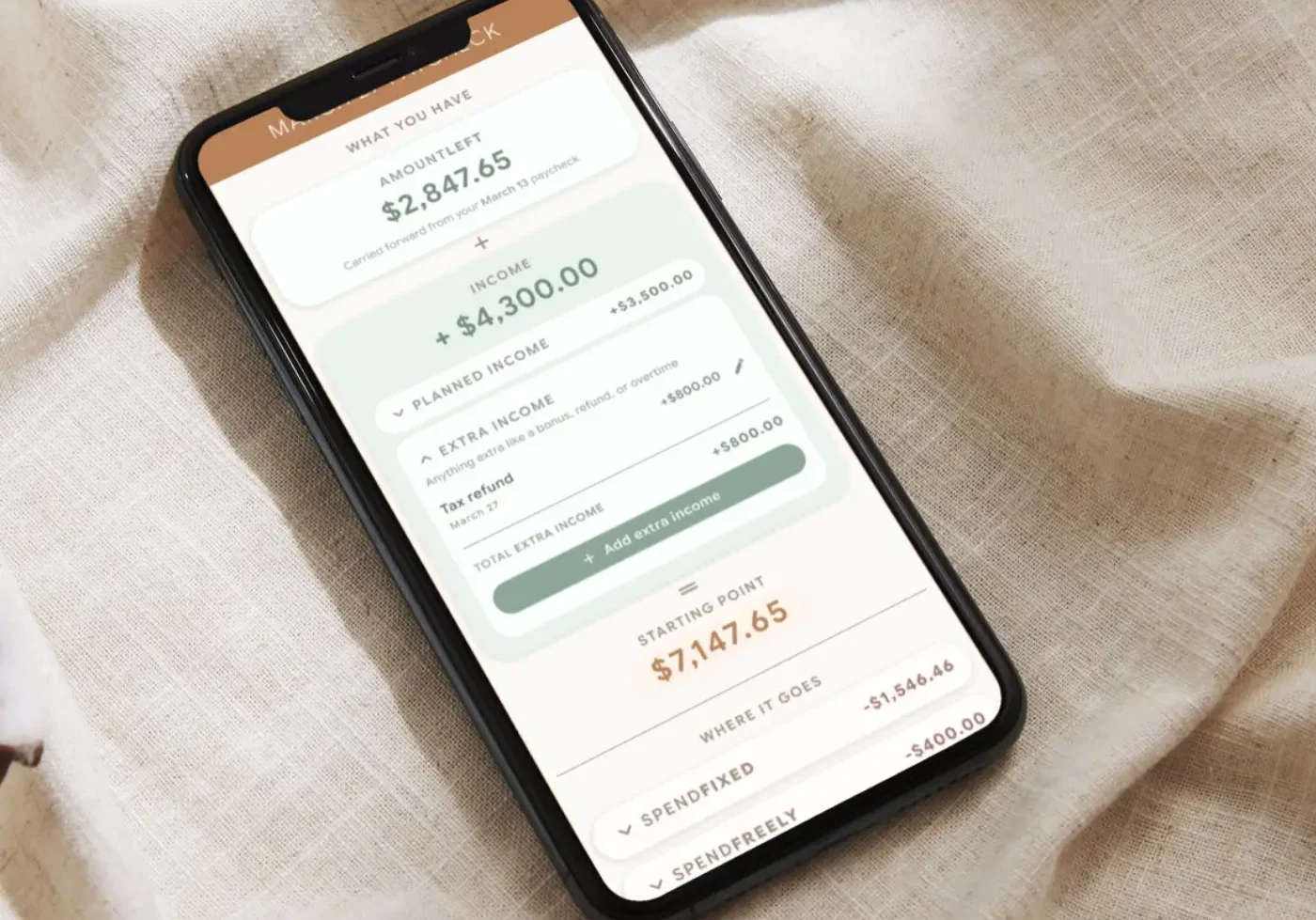
Start by knowing which bills you have coming up over the next month, when each one is due, and how much it is. If you’re using SpendFirst, that’s your SpendFixed list: every bill with a set due date, already laid out by due date. Knowing what is due when is key to building a strategy for paying off a past due bill.
Let’s say you had a bill due on the 15th that you didn’t pay. It’s the 18th, so you’re past due. You missed the payment date by three days. If money comes in today and you pay that bill, you’re current now, but you can’t change the fact that you paid it late. You may still owe a penalty or fee no matter what.
But paying that past due bill shrinks what’s in your checking account, and you may not be able to cover the next bill coming on the 22nd. Now that one’s going to be late too, which means you could end up owing even more in penalties and fees. Before you pay, check your AmountLeft: what will actually be in your checking account after everything committed to this paycheck clears.
The exception is a grace period. If you can pay the bill a day or two late without fees or penalties, go ahead and pay it. It’s best to avoid future penalties or late fees when you can.
Don’t rush to get current if it means falling further behind
But let’s say the damage is already done on the bill that was due on the 15th. There’s no changing that. What you can do is make sure you don’t miss any more payments going forward. If you put the money you were going to send to the past due bill toward your next bill instead, you stay current on that one. So instead of two late payments, you only have one.
When you have the money, I would rather you get ahead on whichever bill is due next instead of getting current on the past due one. It’s easier to manage one late bill than two. Not to mention, it’s far less stressful.
With that plan in place, your goal is to get your past due bill paid by the time it comes due again. Take the past due penalty as a learning curve and make sure you’re set from here on out. And definitely keep your list of what is due when handy.
Staying current from here
If what put you behind was an expense that doesn’t happen every month, like a car repair, a deductible, or an annual insurance premium, that’s a SpendFuture expense. Planning for them by the paycheck is what keeps the next bill from going late. It’s also how you stop living paycheck to paycheck instead of catching up every month, and it’s the foundation underneath getting out of debt for good.
Want to see those expenses coming? The free Yearly Expense Planner lays out your whole year month by month, so you know what’s ahead before it’s due.
Planning for the expenses that don’t happen every month is Chapter 6 of SpendFirst, which comes out November 11.