Why irregular expenses derail most budgets — and how SpendFuture changes that
The car registration comes due and it feels like it came out of nowhere.
The holidays arrive and somehow, despite knowing they happen every single year at the exact same time, the spending still catches you off guard.
The vet visit.
The home repair.
The friend’s wedding you’ve known about for months.
They all land in your checking account like interruptions… things that weren’t in the plan, even though they were always going to happen.These aren’t surprises but they are expenses without a home in most financial systems.
That’s a fixable problem.
Most financial stress doesn’t come from not having enough money. It comes from not being able to see it clearly enough to plan ahead.
The problem with how we think about “unexpected” expenses
Car maintenance is not unexpected. Cars break down and if yours doesn’t break down, it still needs tires eventually, or an oil change, or something. That’s just what cars do.
The same is true for home repairs, medical expenses, school costs, holiday gifts, travel, and a dozen other categories that show up in most people’s lives with reasonable predictability. They don’t happen every month, which is why standard budgets have no real place for them. But they happen, and when they do, they feel like emergencies precisely because nothing was set aside.
The fix isn’t willpower or a bigger emergency fund. It’s a different kind of planning.
Why the emergency fund isn’t the answer
The conventional advice is to build an emergency fund (usually three to six months of living expenses) and use it when things go sideways. It sounds responsible and safe.
But there’s a problem with lumping everything into one account labeled “emergencies.”
When the car needs repairs, that feels like an emergency, so you pull from the emergency fund.
When the holidays are expensive, that feels urgent, so you pull from the fund.
When the vet bill comes in, same thing.
None of those are true emergencies. They’re predictable expenses that simply don’t recur monthly. Spending your emergency fund on them leaves you without a safety net for the things that actually qualify (a job loss, a major medical event, something genuinely unforeseen).
The answer isn’t a bigger emergency fund. It’s a system that creates a dedicated home for each category of irregular expense, so your emergency fund stays intact for actual emergencies.
That’s where a sinking fund comes in. Instead of one big pot for the unexpected, you set money aside a little at a time for the specific expenses you know are coming, so each one is already covered when it lands.
When everything is in one account, you never quite know what it’s for. That ambiguity is its own kind of stress.
How SpendFuture works
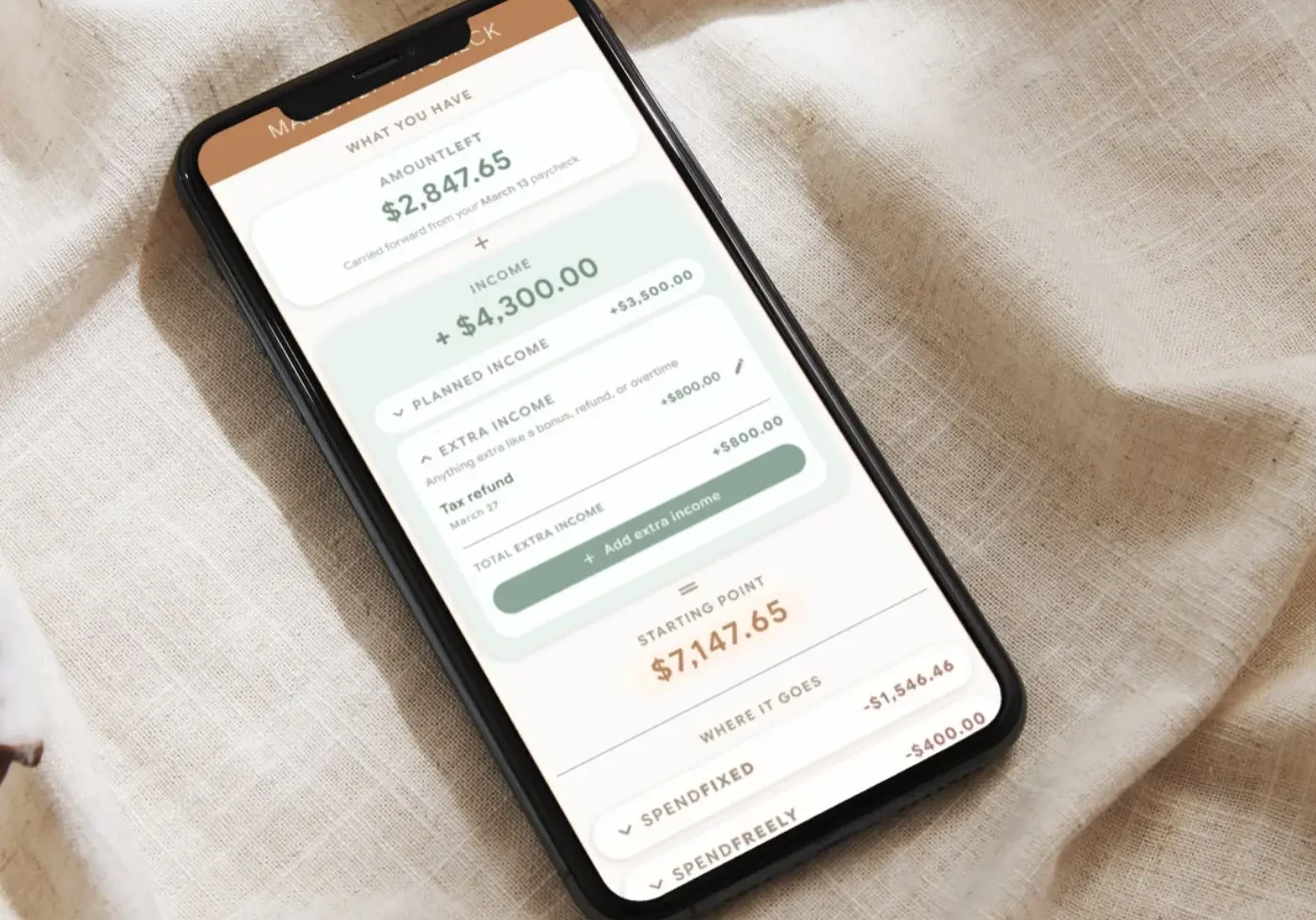
SpendFirst organizes money into three movements.
SpendFixed covers your monthly commitments.
SpendFreely covers your everyday spending.
And SpendFuture covers everything that doesn’t happen every month but is still coming.
The idea is straightforward: you identify your irregular expenses, estimate what each one costs over the course of a year, divide by the number of paychecks you receive, and set that amount aside each pay period. By the time the expense arrives, the money is already there.
It’s not complicated. What makes it different from advice you may have heard before is that it’s built into your paycheck plan from the start, not added as an afterthought or treated as optional.
What belongs in SpendFuture
The categories vary by person, but the types of expenses look similar for most people.
- Car maintenance and registration.
- Home repairs and maintenance.
- Medical and dental costs not covered by insurance.
- Holiday and gift spending. Travel.
- Annual subscriptions.
- School expenses.
- Vet bills if you have pets.
- Clothing, especially if you have kids who grow quickly.
Start by thinking through your last twelve months. What came up that caught you off guard? What cost more than you expected? What do you know is coming in the next year that you haven’t started planning for yet? Those are your SpendFuture categories.
You don’t have to get the numbers perfect. A reasonable estimate is enough to start. The goal is to have something set aside (not zero) when each expense arrives.
Example: Car maintenance
Annual estimate: $900
Per paycheck (biweekly, 26 pay periods): $35
Six months in: $210 set aside, or enough to cover most repairs without touching your emergency fund or putting it on a credit card.
Multiple accounts, one clear purpose each
One of the most important shifts in SpendFuture is keeping separate accounts for different categories rather than one pooled savings account. When everything sits together, you lose clarity about what’s actually available and what’s already spoken for.
When your car fund is its own account, you know exactly where you stand. When your holiday fund is separate, you can see at any point in the year how much you’ve saved and whether you’re on track. The money has a label, which means it has a job, and that changes how it feels to spend it when the time comes.
You’re not raiding savings. You’re using money you planned to use.
What changes when this is in place
The car registration comes due, and instead of scrambling, you transfer from your car fund. The holidays arrive, and your gift spending is already handled. The vet visit is an inconvenience, not a crisis.
This is what it looks like when your financial system is actually built for your life and not for an idealized version of it where nothing unexpected ever happens.
This works because the stress doesn’t come from the expenses themselves. It comes from not being able to see them coming, not having a plan when they arrive, and not knowing how they’ll affect everything else.
SpendFuture fixes all three.
Once it’s in place, irregular expenses stop being the thing that unravels your progress. They become part of the plan… which means your progress stays intact.
Ready to build a plan that accounts for real life?
The SpendFirst Quick Start Guide walks you through how to map your money, including SpendFuture, so irregular expenses stop catching you off guard.
When you are ready to lay these out month by month, the free Yearly Expense Planner walks you through it.