A lot of people trip over the same idea in personal finance: that the “best” financial choice is always the one that looks perfect on paper. The flawless spreadsheet, every penny saved, every expense cut, every calculation spot on. But what does financial success mean if that plan falls apart by March? After years of working with people on their money, I can tell you it’s not about getting the numbers to line up beautifully.
Money matters. But personal finance isn’t just about numbers. It’s about what those numbers make possible in your life, and how they make you feel.
Why the perfect plan isn’t always the best plan
The best choice for you might not be the one that checks every box in your budgeting app. Financial success happens when your plan fits your life, your goals and what you value. You could have the most beautiful budget on paper, but if it doesn’t match how you live or give you something to look forward to, it’s not going to last. That’s a big part of why budgets fail.
Here’s the misconception: people think financial wellness means always choosing the most financially advantageous option. It’s really about balance, a plan that looks good on paper and also feels right to live with.
What makes a plan last
The number one factor I see in long-term financial success isn’t the details in the numbers. It’s whether you want to follow the plan. You have to feel excited about it. If you’re not, it’s only a matter of time before it falls apart.
People get so caught up in the “right” numbers that they lose sight of whether the plan fits their life. If it feels restrictive, it won’t last. But when you have a plan you believe in, you start getting creative, finding new ways to reach your goals, and building momentum faster than you thought you could.
I’ve met so many people with plans that looked great on paper and left them drained. Those plans rarely led anywhere. A plan you want to stick with, one that keeps you moving forward and still gives you room to enjoy your life, does.
So if your current plan looks good but doesn’t feel right, ask yourself: “What would it take for me to feel excited about my financial goals?”
How to build a plan you’ll stay with
- Start with what matters most. What are your biggest goals? A home, retirement, or just peace of mind? Knowing what you’re working toward helps you pick the strategies that support it. If you want help figuring that out, start with how to set financial goals or the MeaningFirst Method.
- Check how it feels, not just the numbers. Look at your plan and ask: does it excite me, or exhaust me? If it feels too restrictive, adjust it until it’s something you can keep doing. A plan with room for enjoyment and flexibility is the one you’ll still be following a year from now.
- Create small wins. Instead of diving into big changes all at once, set small goals you can reach soon. Early wins build confidence and make progress feel real.
- Bring your people in. Financial goals are hard to stick to alone. Share yours with your partner or family and let them be part of it. When everyone’s on board, you’re more likely to keep going.
- Choose consistency over perfection. You don’t need to follow every money rule perfectly. Even if you don’t save the maximum every month, sticking with a reasonable amount is what gets you there. It’s progress, not perfection.
It’s not just a financial plan, it’s your life
A financial plan is a tool to help you build a life you love, not a set of chains. The people who do best with money aren’t the ones with the most rigid plans. They’re the ones who are excited about what they’re building. When your plan fits your life, you stick with it, and that’s how you stop living paycheck to paycheck and start seeing results.
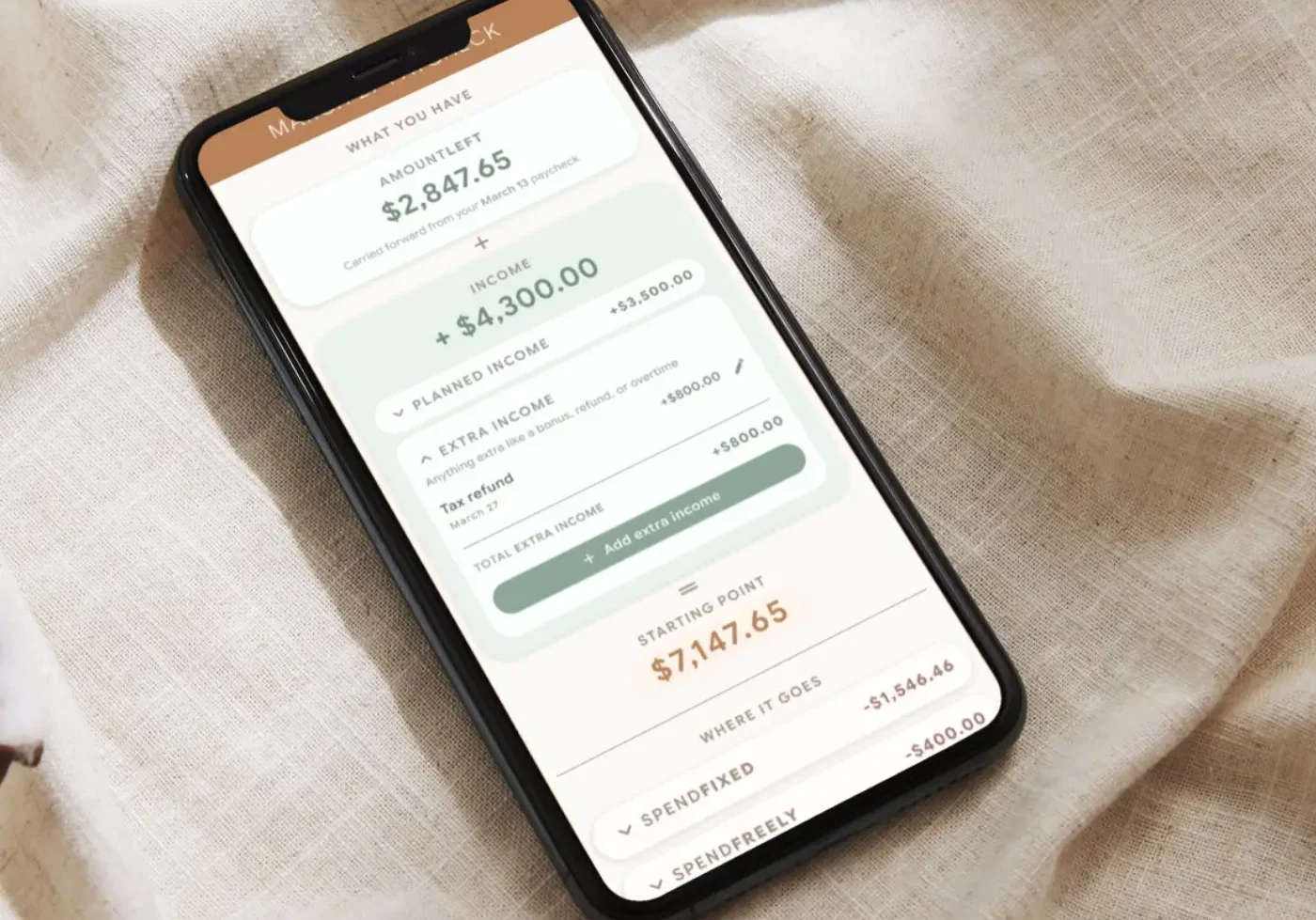
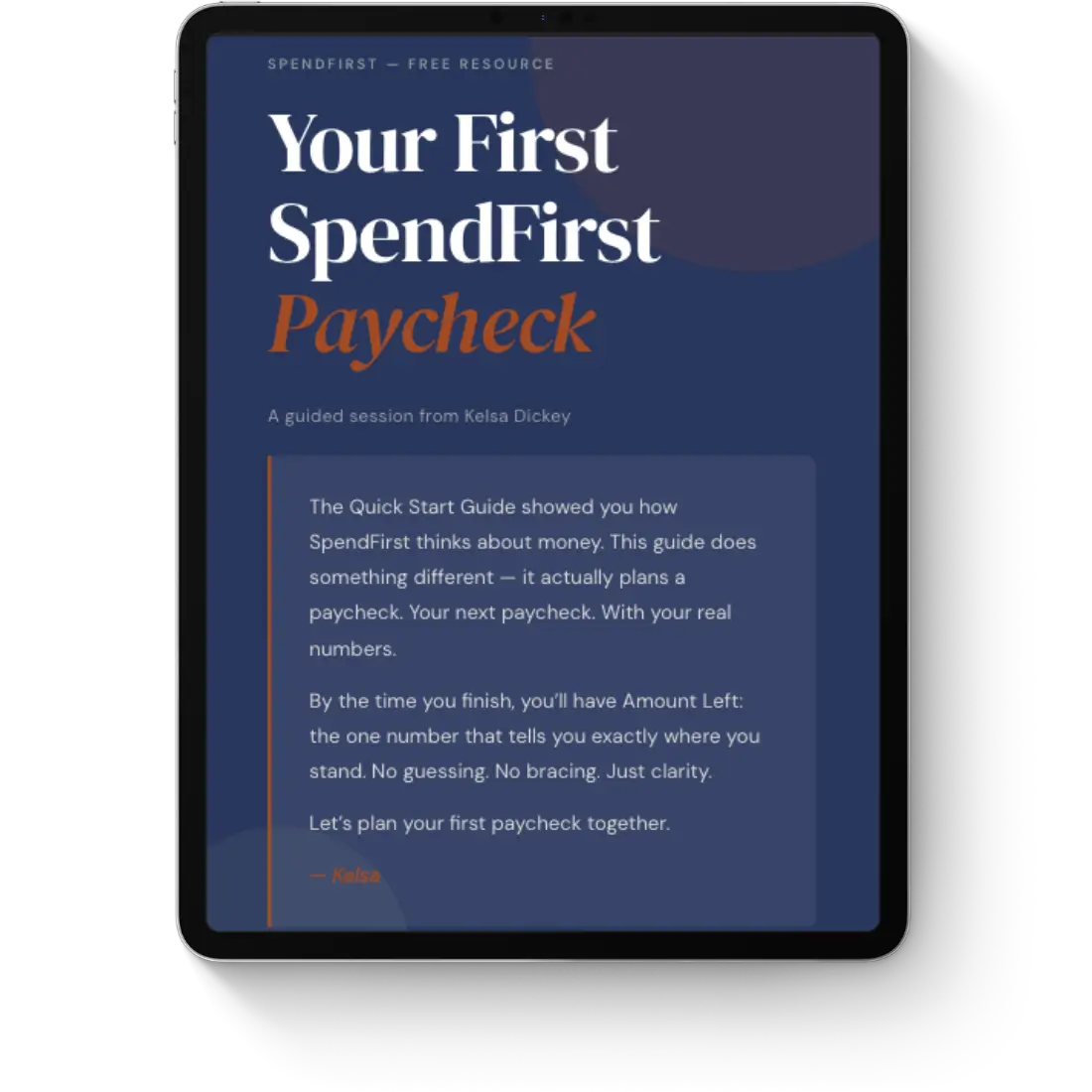
Build a plan around your real life, one paycheck at a time. The free First Paycheck guide walks you through it step by step.
Why the plan you’ll stick with beats the plan that looks best on paper is Chapter 14 of SpendFirst.