Season 2, Chapter 14 · October 8, 2026 · 13:56 min
The standard answer to “how to set financial goals” starts with a number: six months of expenses, debt-free by December, ten thousand in savings. Those are fine starting points, but on their own they’re not enough, because a goal that came from outside you takes willpower to keep, and you end up having to talk yourself into caring about your own life. Once you budget by paycheck, a goal stops being a wish and becomes a line in the plan.
Chapter 14 of SpendFirst starts somewhere else entirely, with what you actually want and why. And it makes an argument most financial professionals will not: the plan you will stick with beats the “optimal” one every time.
Key Takeaways
- Buy-in is the thing that determines whether a plan works, which makes “does this excite me or exhaust me” a legitimate financial question.
- An unsustainable plan costs you more than the progress it stalls. It costs you the belief that progress is possible.
- Debt payoff is usually the obstacle between you and the thing you have been putting off, rather than the goal itself.

How to set financial goals that start with meaning
The MeaningFirst Method is five questions, and the whole point is that you do not start with the finances at all.
What is the goal you have been thinking about lately? Say it plainly. It doesn’t need to sound impressive. What makes it feel important right now? Your first answer will probably be surface-level. That’s fine. Stay with it. What do you picture changing in your life once you get there? How do you think it will feel in your body? And the one that usually surfaces the real reason: what becomes possible then, that feels harder today?
You can see how this works in Susan’s answers. The goal she named was getting out of debt. When she said she wanted to stop feeling guilty at the card reader, she got closer. The real goal was underneath that: she wanted to start planning for a house and a vacation, things she had been putting off because she didn’t feel like she deserved them yet.
Debt payoff feels like the goal, but it almost never is. It is the obstacle between someone and what they actually want. Name what’s on the other side of it, and you’ve found where the motivation lives.
It’s also why the book puts planning ahead before goal-setting. Even a goal you care about can get derailed by the first expense you didn’t see coming.
The chapter closes with a rule about focus. Pick one goal and throw your whole SpendFlex at it, because when you split your extra money across five priorities, none of them moves fast enough to feel like progress. Kelsa has watched people split $600 across four goals and feel like nothing was moving, then put all $600 toward one and hit it in five months.
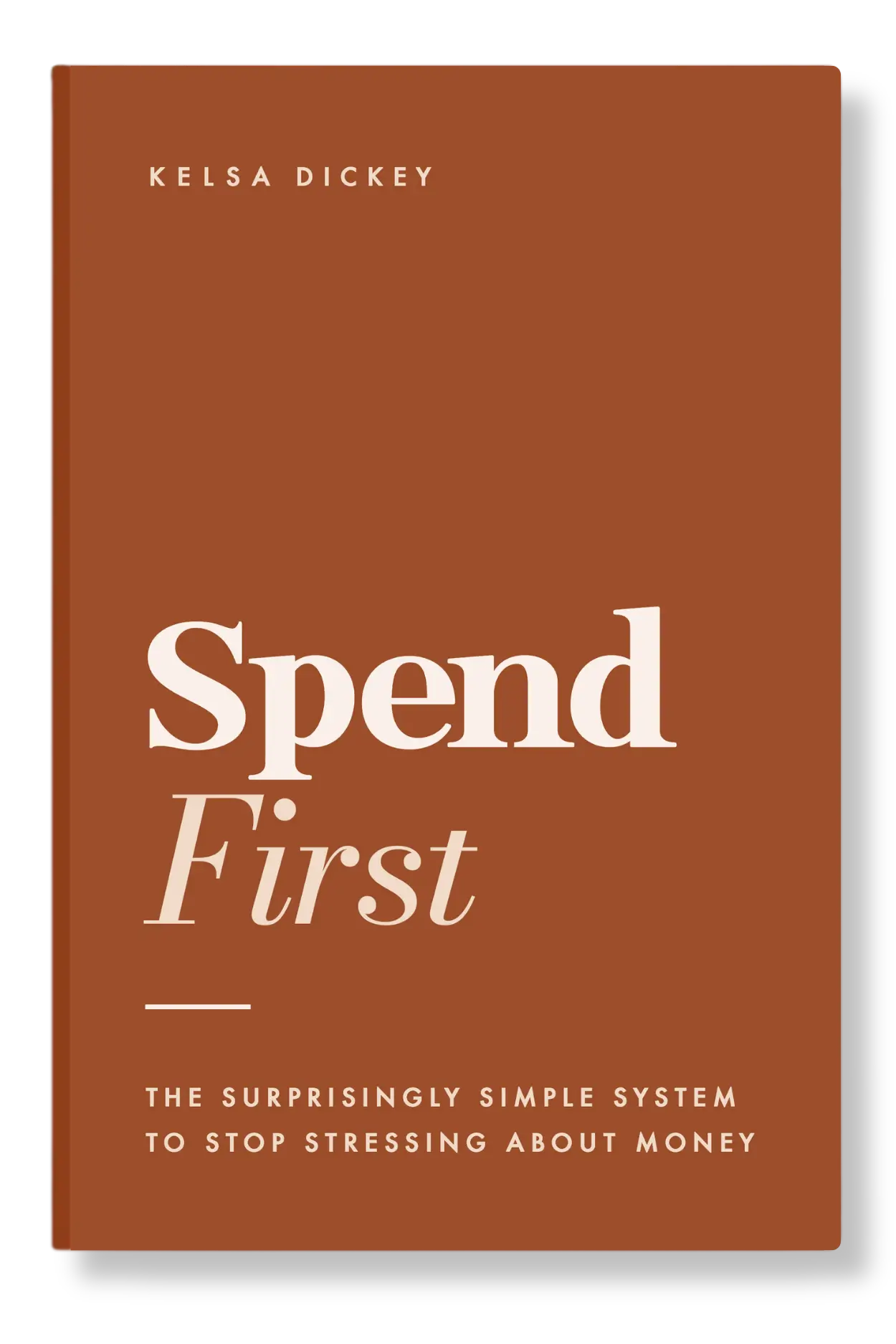
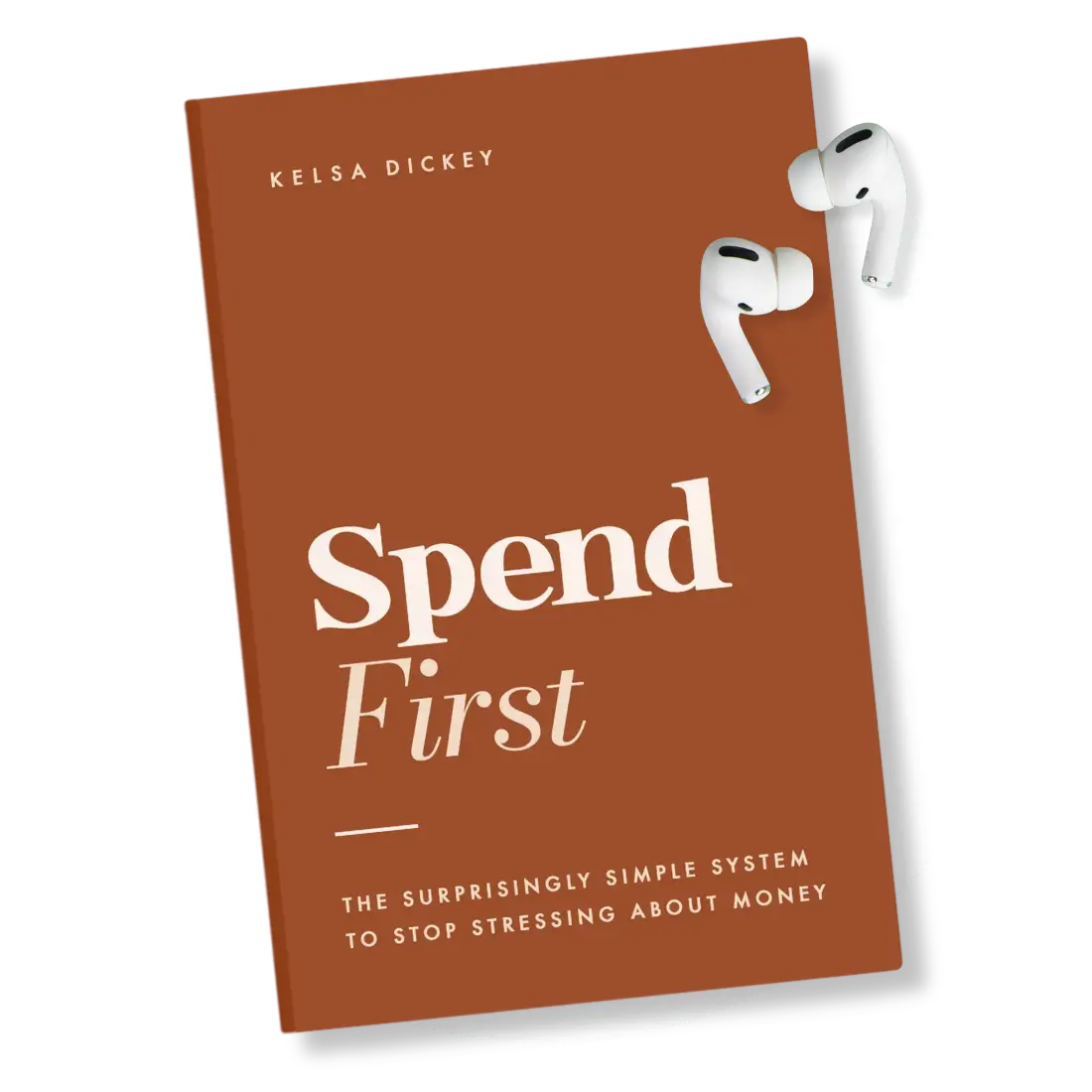
SpendFirst
The Surprisingly Simple System to Stop Stressing About Money
Out November 11. Pre-order now and start reading before then.
We'll take you straight to Amazon. Pre-order the paperback or hardcover, then send us your receipt to claim your bonuses: an advance ebook copy, a $47 pass to the Paycheck Plan Workshop, and more.
Already pre-ordered? Claim your bonuses here.
Application
Take the goal you have been carrying around and answer one question about it. What becomes possible once you get there, that feels harder today? Write down whatever comes out, even if the first answer is not the interesting one. Then ask it again.

Get notified of the next episode
Would you rather work through it with someone?
Everything here is built to work on your own, the episodes, the book, the free tools. For most people that is enough. If you would rather work through it one-on-one, your money goals, a financial decision you are weighing, or your business strategy, I may be able to help. Just you and me, focused on whatever is actually in front of you.