Season 2, Chapter 17 · October 29, 2026 · 20:11 min
You make a big extra payment on your credit card and it feels great. Then the car needs tires, or a bill you forgot about comes due, and it goes right back on the card. If you’ve been stuck asking “should I save or pay off debt?”, that back-and-forth is a big part of the answer.
Without a foundation underneath, extra payments turn into false progress. In Chapter 17 of SpendFirst, you build the foundation first, choose a payoff method you’re excited about, and pay debt down in a way that stays paid down.
Key Takeaways
- Debt says nothing about whether you’re good with money. Some people who are great with money carry debt, and some never use it. What matters is your approach and whether it fits your goals.
- Before you put extra toward debt, get your SpendFuture categories catching the irregular expenses and save one month of your emergency baseline. Then speed up.
- Every payoff method works the same way underneath: minimums on everything except one debt, all your extra on that one. The only question is which debt goes first, and the best answer is the one you’re excited to stick with.
Should I save or pay off debt first?
You’ve probably lived some version of this. Jessie and Joe did, before SpendFirst. They’d make a big extra payment on their credit card, feel great about it, and then something would come up and it would all go back on the card. It wasn’t until they built their foundation first that the debt started going down and staying down.
So the order matters. First, make sure your SpendFuture categories are catching the irregular expenses: car repairs, annual bills, medical costs, and everything else that comes up a few times a year. If you’re not planning for those, you end up putting each one back on the credit card when it happens. And they will happen.
Then save at least one month of your emergency baseline, the amount you’d need each month if the emergency you worry about most actually happened. That’s enough to cover most disruptions without pausing your debt payoff.
How much more you keep in savings depends on your SpendFlex. If it’s tight, close to zero or negative, keep more in savings, because you won’t have room in your paycheck to cover a surprise. If you have $500 or more a month going toward goals, you can get by with less.
Once the foundation is steady, speed up. The steadier it is, the more confident you’ll feel when you start, and that confidence is what carries you through.
Then pick which debt goes first.
- Snowball goes smallest balance first.
- Avalanche goes highest interest rate first.
- Highest Payment frees up your biggest monthly payment.
- Emotional Baggage goes after the debt that makes you feel worst every time you see it.
- Custom mixes them.
Pick the one that makes you think, “I can do this.” If you’re not sure which one that is, the free Debt Payoff Personality Quiz on the Start Here page points you toward the method that fits how you think.
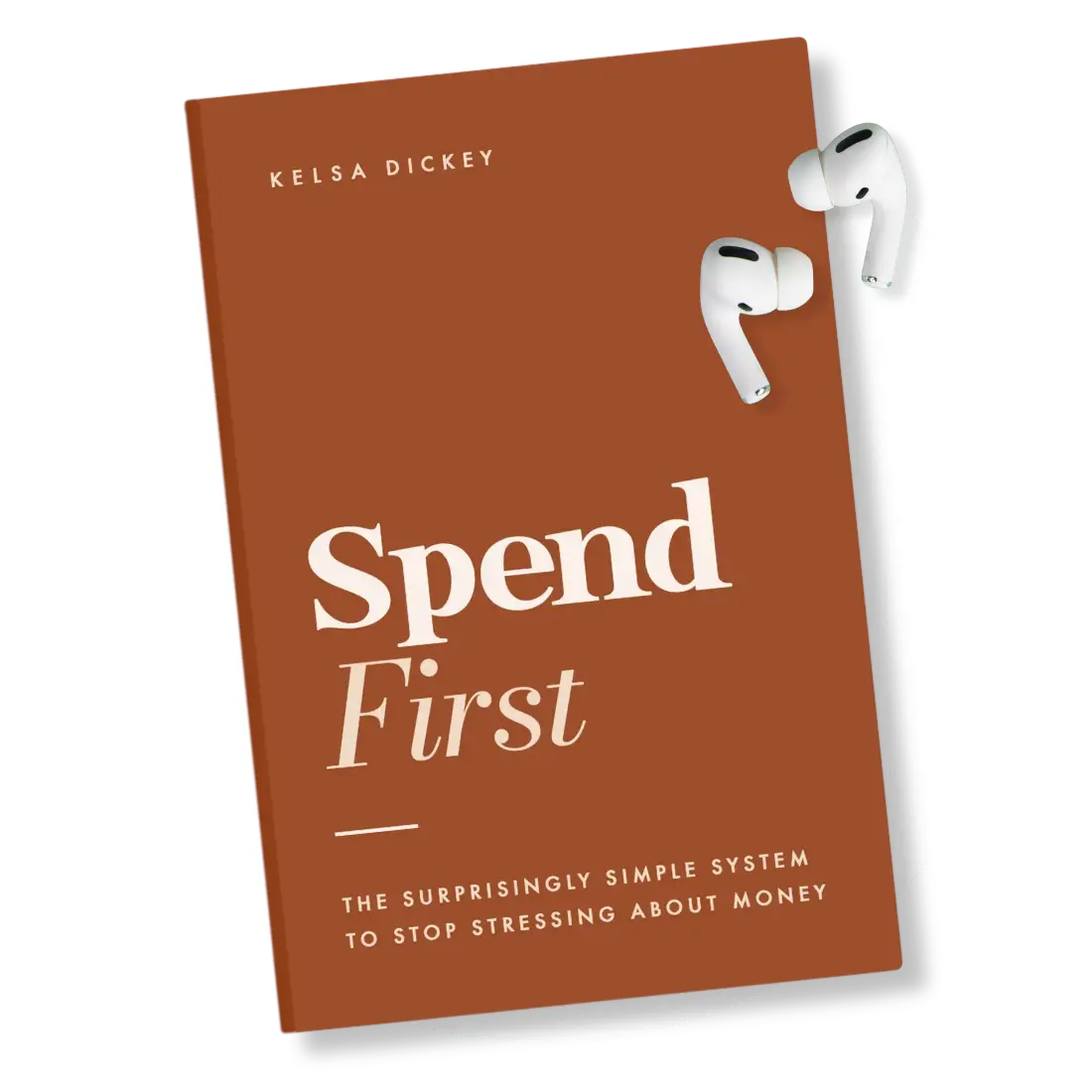
Getting Out of Debt is Chapter 17 of SpendFirst, out November 11. Pre-order your copy.
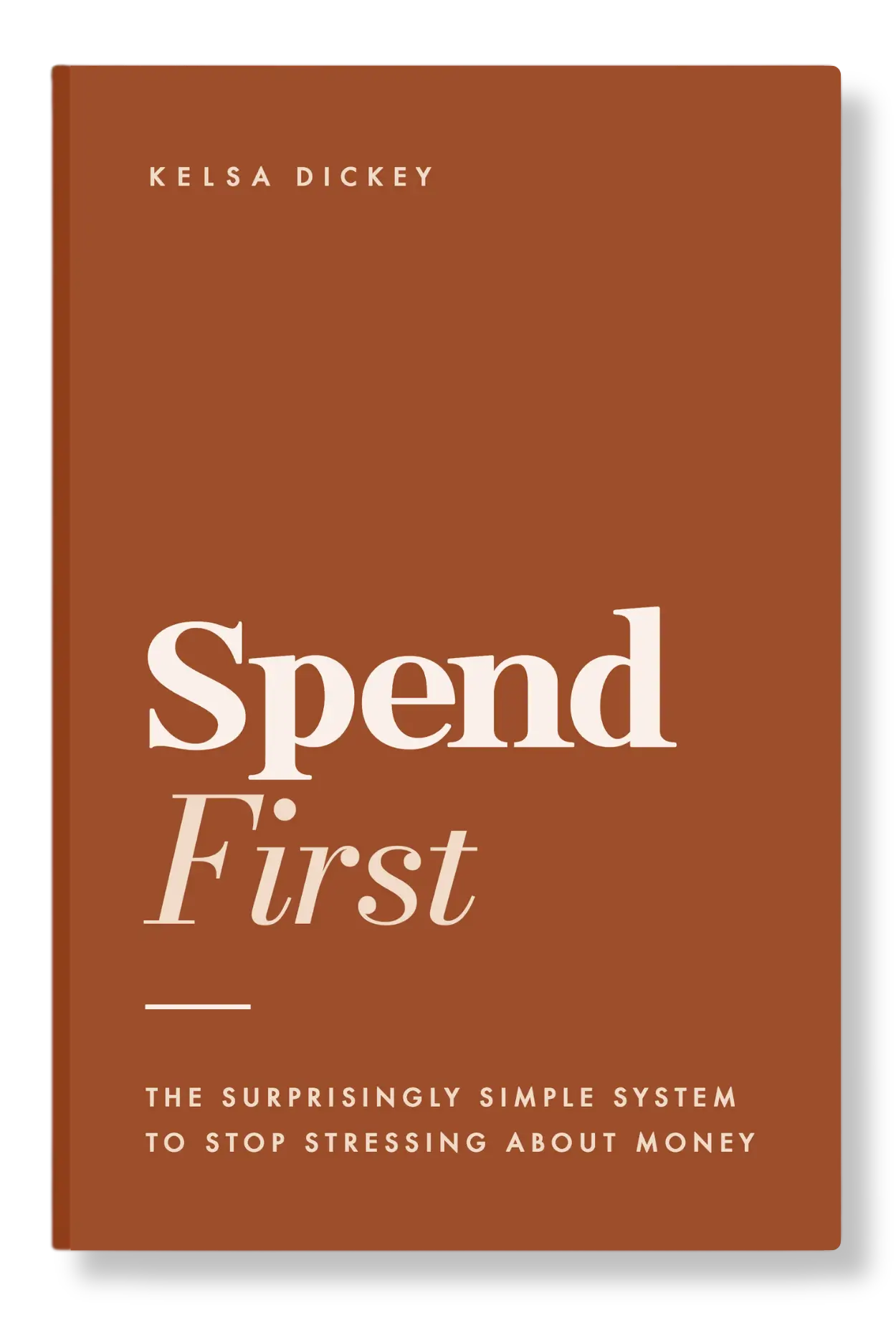
SpendFirst
The Surprisingly Simple System to Stop Stressing About Money
Out November 11. Pre-order now and start reading before then.
We'll take you straight to Amazon. Pre-order the paperback or hardcover, then send us your receipt to claim your bonuses: an advance ebook copy, a $47 pass to the Paycheck Plan Workshop, and more.
Already pre-ordered? Claim your bonuses here.
Application
There are two ways to approach debt: running away from it, or running toward something you care about. How would you describe your own relationship with debt right now?

Get notified of the next episode
Would you rather work through it with someone?
Everything here is built to work on your own, the episodes, the book, the free tools. For some people that is enough. When you’re facing a money or business decision that’s hard to sort out alone, I offer experienced, personalized guidance to help you make sense of where things stand and decide what to do next. Just you and me, focused on whatever is actually in front of you.