If you’ve been beating yourself up about your finances, you might be surprised to hear you’re doing better than a lot of people, especially if you’re already showing these five signs of financial stability.
You probably know someone who seems to have it all. They take big vacations every year, their kids are in a bunch of travel sports, they have a nice house, a nice car, maybe even a little place on a lake. It’s easy to look at them and think, “I wish I had as much money as they do,” or “I wish I were as good with money as they are.” Because they have it all, you assume they must be better at money than you.
That way of thinking has two problems: you’re assuming their finances are in order, and you’re assuming yours aren’t.
What you see isn’t the whole picture
Outward appearances are just that, the image people show the world, and there’s often no way of knowing whether it matches what’s going on behind the scenes. Someone with a nice house, nice cars and big vacations could be paying for all of it with a lot of debt. They might have come into money through luck, chance or even tragedy. You never know, so you can’t assume everything they have came from hard work or being smarter with money. Looking rich and feeling secure are two different things, and that’s what wealth vs riches comes down to.
The second problem is assuming you’re behind because you don’t have much to show for it. You think you’re supposed to be saving more and earning more. Maybe you’re still paying every month on student loans you took more of than you needed. Everyone makes money mistakes, and having made a few doesn’t mean you’re bad with money. You might not be giving yourself nearly enough credit for the progress you’re making right now.
5 signs of financial stability
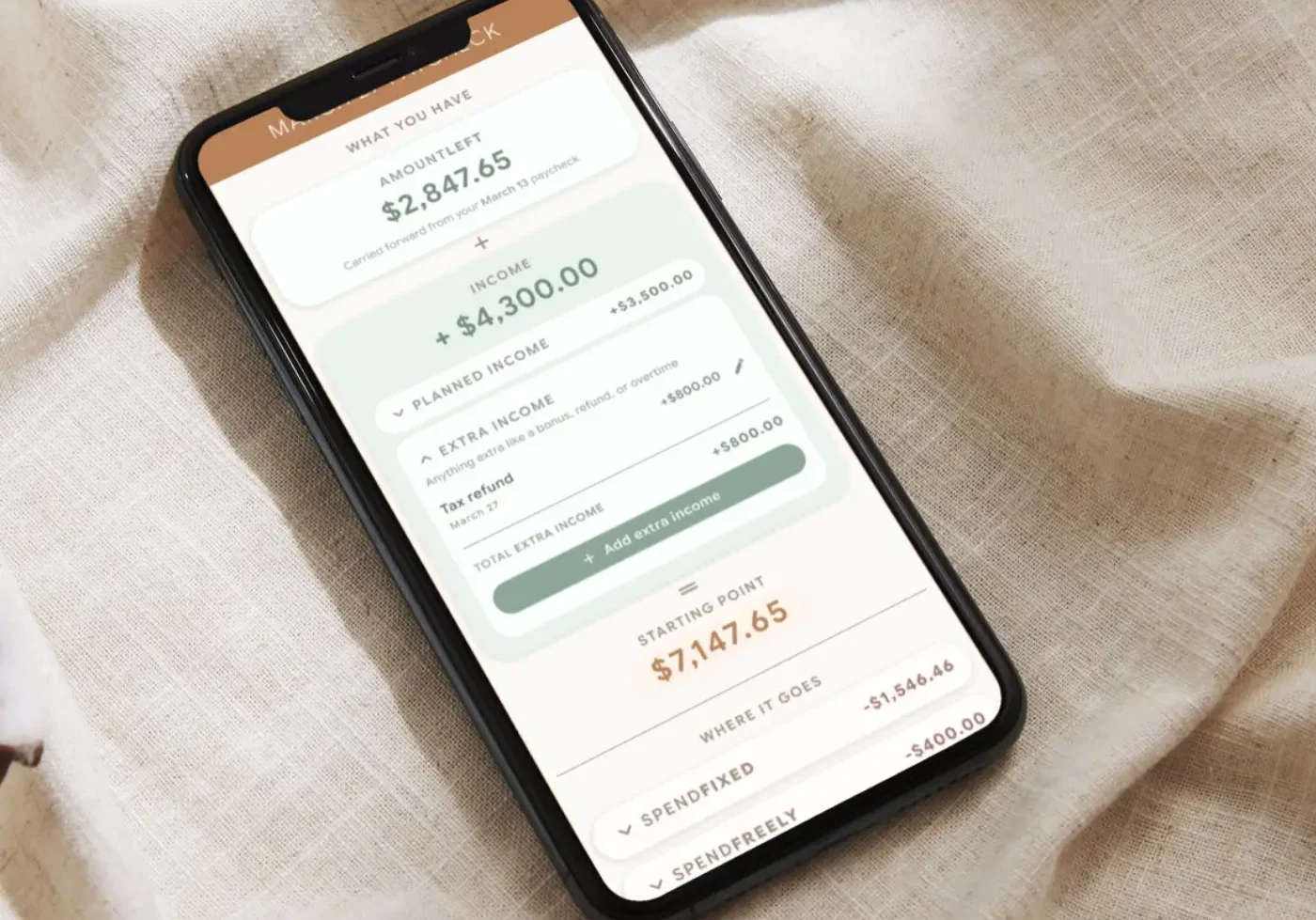
- You don’t overdraw your checking account. This is where it all starts. Not overdrawing means you understand your income and expenses: when you get paid, how much you get paid and which bills come out of which paycheck. That’s the heart of planning by paycheck, and if you’re already doing it, even informally, you have the foundation in place.
- Your debt balances are going down. Paying down debt shows that your bills are getting paid on time and you’re in control of where your money goes. It doesn’t have to be fast. If your balances are lower than they were six months ago, that counts.
- You don’t lie awake at night worrying about money. You sleep fine because your bills are paid and your debt is going down. That family who seems to have it all might not be able to say the same.
- You rarely have buyer’s remorse. You pause before bigger purchases and ask yourself whether they fit this paycheck’s plan. Most buyer’s remorse comes from quick decisions made without thinking about what else you needed that money for, so if you’re pausing first, you’re doing okay. And when you do spend on things you enjoy, you don’t feel guilty about it, because you planned for it. That’s what SpendFreely is for.
- You’re setting money aside for what’s coming. You’re saving for the expenses that don’t happen every month, like car repairs, travel and the holidays, and you’re building your emergency fund and your future savings too. In SpendFirst, the money for upcoming expenses is your SpendFuture, and you fund it every paycheck right alongside your bills. Once that’s running, you start to see real progress, and maybe even feel like you know a thing or two about this money stuff after all.
What all five have in common
All five signs point to one thing: you have a plan. You know what you’re covering with each paycheck before you spend it, and you’re following through. That’s what being good with money actually looks like, and if you’re doing it, you’re further ahead than a lot of people with nicer cars.
If you want to see it in numbers, your Financial Progress Number shows how much of your income is going toward your future and whether it’s moving in the right direction. And if seeing yourself as someone who’s good with money still feels like a stretch, take a look at your financial identity. Keep doing these five things, and that’s how you stop living paycheck to paycheck for good.
Don’t let those fancy cars fool you.
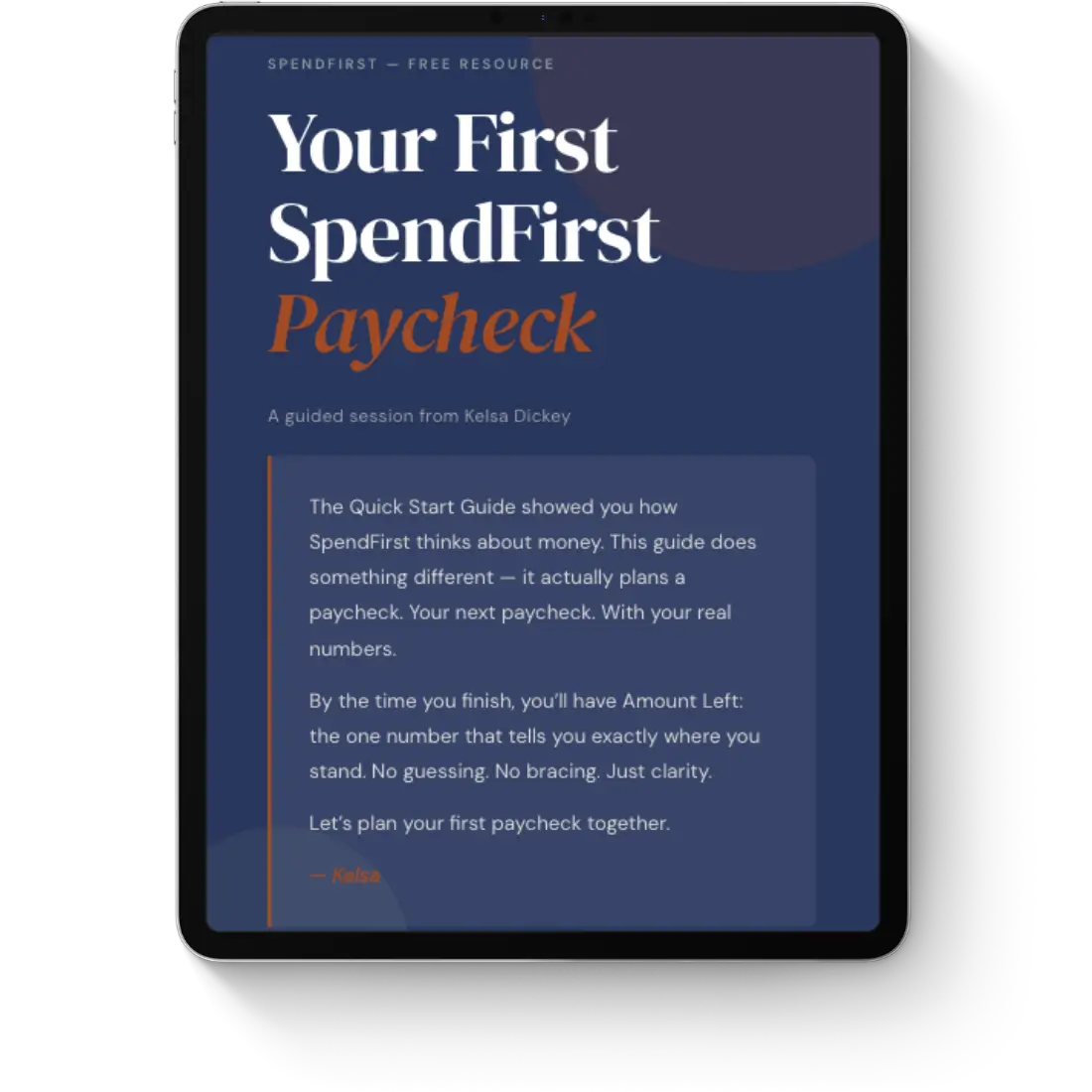
Want a plan behind all five signs? The free First Paycheck guide walks you through planning your next paycheck, step by step.
How to see how far you’ve come, and keep it moving in the right direction, is Chapter 18 of SpendFirst.