If you’re paid every two weeks, there are two seemingly magical months every year when you get an “extra” paycheck. Time to throw a party or go on a shopping spree, right? Nope. Notice I put the word extra in quotes. That’s intentional. That free money you have? Well, bad news. Some of it is already spoken for.
A lot of people think about budgeting month by month. And it makes sense to some degree. You have bills like a house payment, car payment, utilities and phone bills that you pay every month, so you’d think your budget would revolve around them. The traditional way of budgeting says take all the income you make in a month, subtract all your expenses and see what you have left over. That’s it. That’s your budget. There are several problems with that way of thinking, especially in an extra paycheck month, when your income seems to skyrocket because you have three paychecks instead of two.
Here’s the kicker: that extra paycheck isn’t really an extra paycheck
Sure, you have monthly bills, but you also have weekly expenses that don’t depend on a certain date on the calendar. When that extra check lands, your week still happens. You still need to buy groceries. You still need to put gas in your car. Your everyday spending (in SpendFirst, your SpendFreely) doesn’t disappear when a third paycheck shows up.
If you treat that third paycheck as completely free money and use it all to pay down debt, shore up your savings or splurge on something you’ve had your eye on, you’ll likely end up robbing Peter to pay Paul. You won’t have enough to cover your regular expenses.
Think of it this way. You’re used to getting paid every two weeks. It’s normal. It’s what feels right. When you take away that “extra” paycheck, suddenly you go from a two-week gap between paychecks to four weeks. I don’t know many people who wouldn’t feel a little financially strapped if they suddenly only got paid once a month.
A better way to budget
That’s why SpendFirst doesn’t rely on a monthly calendar. You are not a corporation, so you certainly don’t need to budget like one. Your plan reflects your life and your pay schedule. So if you get paid every two weeks, each paycheck covers the bills coming due before your next payday, plus your everyday spending, plus what you’re setting aside for the expenses that don’t happen every month. That’s what it means to budget by paycheck.
Pay periods vary. Sometimes pay amounts vary. Your plan is built to cover those variations. In other words, your plan works to fit your life, not the other way around.
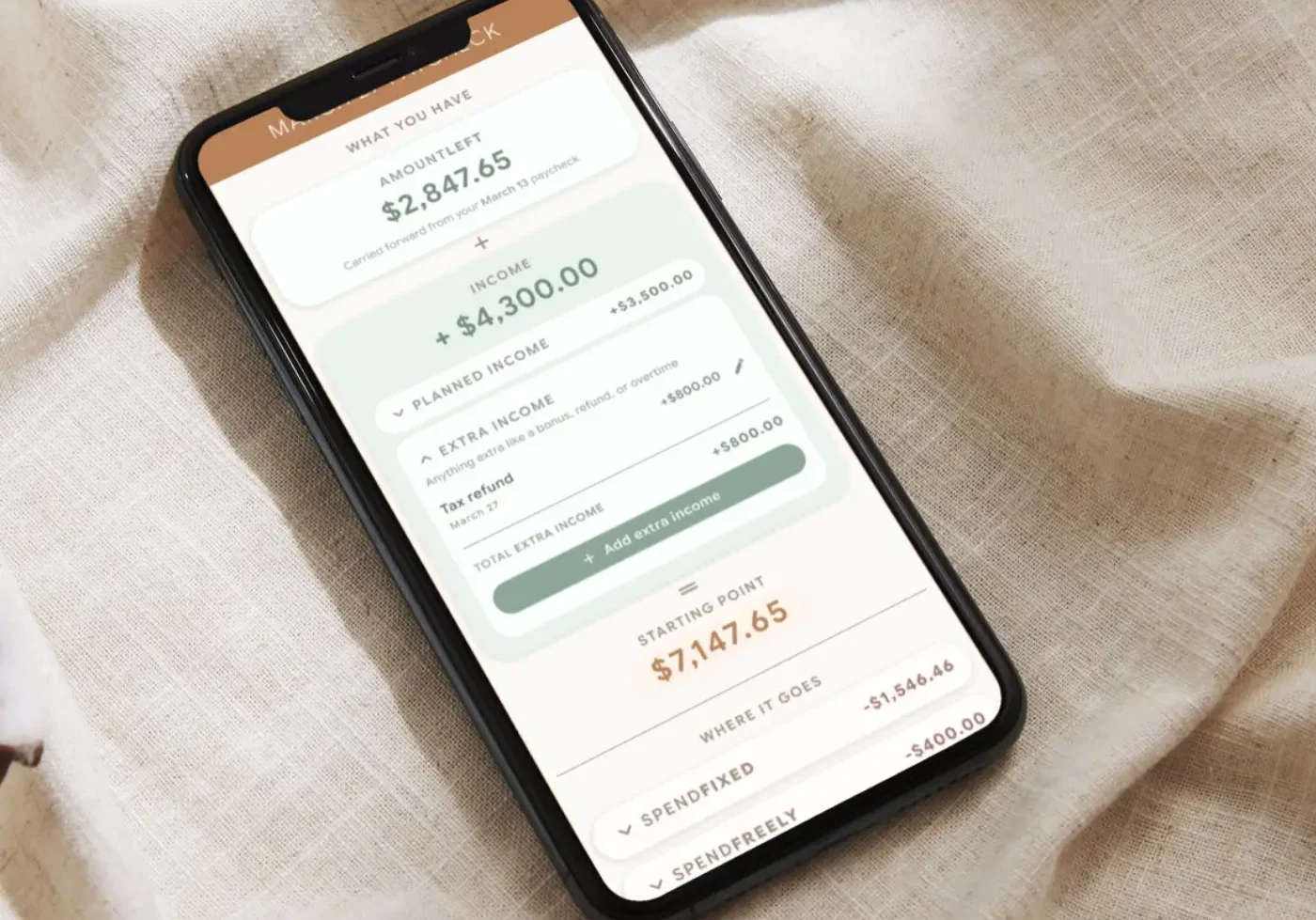
So what happens to the third paycheck? It goes through the same three moves as every other payday: SpendFixed for the bills due before your next paycheck, SpendFreely for everyday life, SpendFuture for what’s coming. Whatever is left after that is real SpendFlex, money you can point at a goal on purpose instead of watching it disappear.
When your plan follows your paychecks, you can have your “extra” paycheck and have it work for you too. That’s how you stop living paycheck to paycheck, even in the months that bring three of them.
Planning around your paycheck rhythm, whether you’re paid every two weeks, twice a month or never the same way twice, is Chapter 2 of SpendFirst.